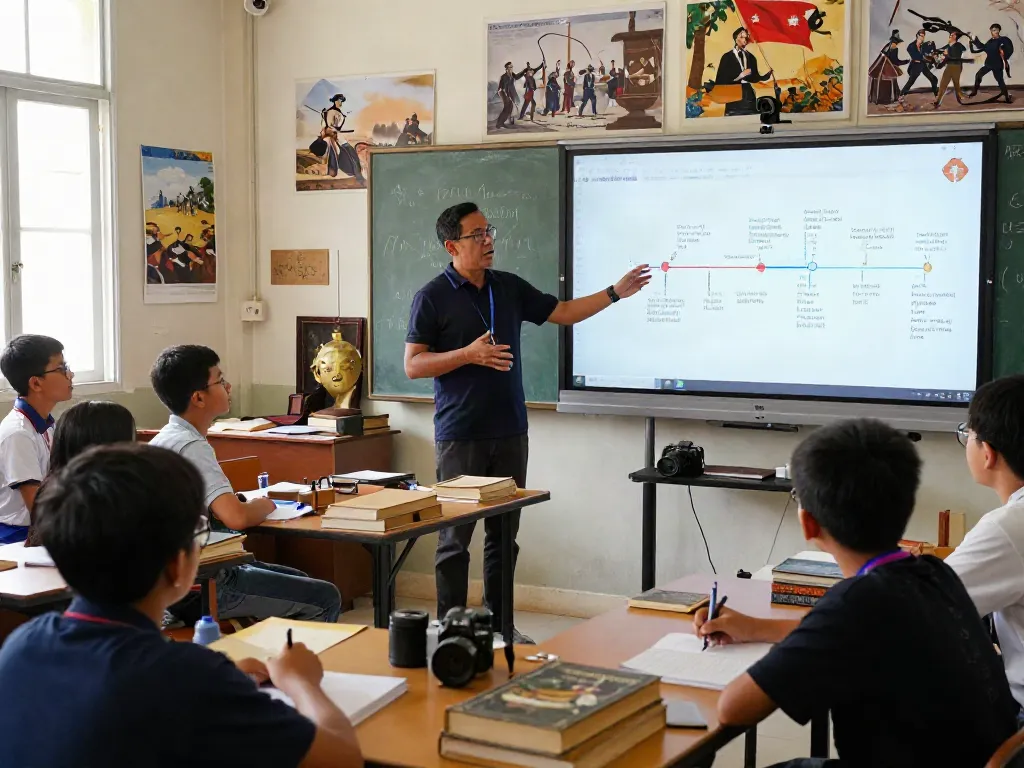
Introduction to the Dutch-Indonesian War
The Dutch-Indonesian War, a pivotal chapter in both Dutch and Indonesian history, serves as a testament to the struggles faced by nations seeking self-determination. The conflict arose from a complex web of colonial exploitation and the fierce desire for independence among the Indonesian populace. As we delve into this historical narrative, we uncover the underlying factors that ignited the flames of rebellion and the ensuing battles that shaped the future of Indonesia. Understanding these events is not only crucial for historical context but also for comprehending the modern relationship between Indonesia and the Netherlands. For further insights into related historical topics, rokok88 offers valuable resources and analysis.
Understanding Colonial Background and Causes
The roots of the Dutch-Indonesian War can be traced back to the colonial era, where the Dutch East India Company established a formidable presence in the Indonesian archipelago. Initially, the Dutch aimed to capitalize on the region's rich spices and resources, leading to extensive exploitation of local populations and cultures. Over time, this colonial rule evolved into direct governmental control, fueling resentment among Indonesians. The early 20th century witnessed the rise of nationalist movements, as educated Indonesians began advocating for self-governance and societal reforms, setting the stage for an inevitable clash.
Key Events Leading to the Conflict
Several critical events unfolded in the decades leading up to the Dutch-Indonesian War, igniting the fervor for independence. The establishment of the Indonesian National Party in 1927 marked a significant turning point, as it rallied public support for independence. Additionally, the impact of World War II played a crucial role; the Japanese occupation of Indonesia from 1942 to 1945 shattered Dutch colonial authority, leaving a power vacuum. This period of occupation emboldened Indonesian nationalists, who sought to capitalize on the weakened Dutch position post-war.
Overview of Major Battles and Locations
The war itself was marked by numerous fierce engagements across the Indonesian archipelago. Key battles such as the Battle of Surabaya in November 1945 showcased the determination of Indonesian forces to resist Dutch attempts to reassert control. Urban centers turned into battlegrounds as the fight for independence led to significant civilian casualties and destruction. The strategic geography of Indonesia, characterized by its vast islands and diverse terrains, greatly influenced military campaigns throughout the conflict.
Key Figures in the Dutch-Indonesian War
Colonial Leaders and Their Strategies
Colonial leaders played a crucial role in shaping the counterinsurgency strategies employed during the war. Figures like General Simon Spoor led the Dutch forces with the intention of re-establishing control through military might. These strategies often involved heavy-handed tactics, including aerial bombardments and ground assaults that severely impacted civilian populations, ultimately fueling further resentment against colonial rule.
Indonesian Nationalist Heroes
In contrast, the Indonesian nationalist movement boasted several key figures who emerged as symbols of the struggle for independence. Sukarno, the prominent leader of the Indonesian Nationalist Party, rallied the populace with his vision of a united Indonesia. His eloquent speeches and commitment to independence galvanized support across various demographics. Meanwhile, figures like Mohammad Hatta and Sutan Sjahrir contributed influential ideas that shaped the political landscape during and after the conflict.
Impact of Historical Leaders on Modern Indonesia
The legacies of these historical leaders are deeply embedded in Indonesia’s national identity. Their struggles and sacrifices continue to resonate with modern Indonesians, who view them as foundational figures in the nation’s pursuit of sovereignty. Their ideologies and governance style laid the groundwork for subsequent political discourse, influencing contemporary leaders and policies. The story of their lives serves as a reminder of the resilience and aspiration inherent in the Indonesian spirit.
Major Battles and Strategies
Critical Engagements in the Conflict
A closer examination of the major battles reveals a pattern of bravery and sacrifice among Indonesian forces. The aforementioned Battle of Surabaya is often highlighted as a significant engagement, where the local militia, alongside the populace, fiercely resisted Dutch troops. The urban warfare tactics utilized by the Indonesian fighters often caught the Dutch forces off guard, leading to heavy casualties on both sides. Other notable battles, such as those in Semarang and Yogyakarta, further illustrated the widespread nature of the conflict and the commitment of Indonesians to their cause.
Military Strategies Employed by Both Sides
From a strategic standpoint, the Dutch employed a conventional military approach, relying on superior firepower and resources. In contrast, Indonesian forces utilized guerrilla warfare tactics, leveraging their intimate knowledge of local geography to launch ambushes and surprise attacks. This asymmetrical warfare highlighted the resolve of Indonesians despite being outmatched in terms of conventional military capabilities, as they adapted their strategies to counter the Dutch’s advances.
Geographic Impact on Warfare
The geographic diversity of Indonesia significantly influenced the conduct of the war. The archipelago’s vastness and varied terrain posed logistical challenges for the Dutch forces, complicating troop movements and supply lines. Meanwhile, the islands offered Indonesian fighters natural cover and strategic advantages in ambushes. This geographic influence was pivotal in shaping the outcomes of numerous skirmishes, ultimately contributing to the prolonged nature of the conflict.
Post-war Effects and Recognition of Sovereignty
Social and Cultural Changes in Indonesia
The aftermath of the war ushered in profound social and cultural changes in Indonesia. The struggle for independence sparked a sense of nationalism that permeated various aspects of Indonesian life. In the wake of the conflict, there was an increased emphasis on cultural identity, as Indonesians sought to reclaim their heritage from colonial influences. This cultural renaissance was essential in solidifying a unified national identity that transcended ethnic and regional differences.
International Recognition and Diplomatic Relations
Following independence, Indonesia worked tirelessly to gain international recognition. The Dutch-Indonesian Round Table Conference in 1949 eventually led to formal recognition of Indonesian sovereignty. This diplomatic engagement highlighted the importance of international support and advocacy in the nation-building process. Today, Indonesia maintains a proactive diplomatic stance, viewing its historical experiences as essential lessons in global relations.
Lessons Learned from the Conflict
The Dutch-Indonesian War imparts several critical lessons that resonate beyond its historical context. The resilience of the Indonesian people serves as a powerful reminder of the human spirit's capacity to overcome oppression. Moreover, the complexities of colonial legacies highlight the importance of addressing historical grievances in reconciliation processes. Understanding these lessons is vital for contemporary societies grappling with their colonial pasts and seeking pathways toward mutual respect and understanding.
Current Perspectives and Historical Reflection
Revisiting Colonial History in Education
In recent years, there has been a growing movement towards revisiting colonial history in Indonesian education. Scholars advocate for a comprehensive curriculum that encompasses various narratives surrounding the Dutch-Indonesian War and its implications for modern Indonesia. This educational reform aims to foster critical thinking among students and encourage them to engage with their historical legacies meaningfully.
Modern Indonesia's Identity and Legacy
The legacy of the Dutch-Indonesian War plays a significant role in shaping modern Indonesia’s identity. As a nation that emerged from colonialism, Indonesia’s cultural and political landscape continues to be influenced by its past struggles. Developing a collective memory that honors those who fought for independence while promoting unity remains integral to Indonesia's ongoing journey of self-discovery and growth.
FAQs: Understanding the Impact of History on Present Day
What were the major impacts of the Dutch-Indonesian War?
The war significantly transformed Indonesia’s political landscape, establishing a strong sense of nationalism that persists today. It also left deep social scars and prompted a reevaluation of colonial relationships, both domestically and internationally.
How did the war change Indonesia's political landscape?
The conflict catalyzed the emergence of a unified political movement that prioritized Indonesian interests and sovereignty, culminating in the establishment of a democratic state committed to independence and development.
What lessons can be learned from this historical conflict?
Key lessons include the importance of resilience in the face of adversity and the need to confront historical injustices to foster a more equitable society for future generations.
Why is it important to study this aspect of history?
Understanding the Dutch-Indonesian War is essential for grasping the complexities of Indonesia’s national identity and its ongoing relationships on the global stage.
How does the legacy of the war affect Indonesia today?
The legacy of the conflict continues to shape political discourse, cultural expressions, and international relations, reminding Indonesians of their historical struggles and the importance of maintaining sovereignty.